Interior Painting Tips Every Rutherfordton, NC Homeowner Should Know
Interior painting in Rutherfordton, NC improves the look and feel of your home's rooms while protecting wall surfaces from everyday wear, moisture, and the effects of time.
What Makes Interior Paint Preparation So Important?
Preparation shapes the final result more than any other part of an interior painting project — a well-prepped surface gives paint something to hold onto and creates the smooth, even base that makes a finished coat look clean and professional.
The first step is cleaning. Walls collect grease, dust, fingerprints, and residue over time — especially in high-use areas like kitchens and hallways. Paint applied over a dirty wall will not adhere as well, which leads to uneven coverage and areas that start peeling sooner than they should. A thorough wipe-down with a mild cleaner before any tape goes up makes a measurable difference in how the paint bonds and looks once dry.
Patching comes next. Nail holes, small dings, and hairline cracks need to be filled with a lightweight spackle or joint compound, allowed to dry completely, and sanded flush with the surrounding wall. The sanding step is easy to rush but important — a patch that is not fully sanded smooth will show as a slight bump or shadow under the finished coat, especially in raking light from windows.
Taping and masking protect surfaces that are not being painted — trim, baseboards, ceilings, and window frames. Careful taping is what produces the crisp, clean lines that make a room look professionally finished rather than obviously DIY. Good prep time spent here saves cleanup time at the end and protects the surfaces around the painted area.
How Do Paint Sheen Options Affect the Feel of a Room?
Sheen — how reflective the dried paint surface is — changes how a room reads visually and determines how well the surface holds up to cleaning, making it one of the most practical choices in any interior project.
Flat paints have no reflective quality and absorb light rather than bouncing it back. This gives walls a soft, matte appearance that hides surface imperfections well. The tradeoff is that flat paint is harder to clean — marks and smudges can be difficult to wipe away without affecting the finish. Flat is a good choice for ceilings and low-traffic rooms where the matte look is desirable and cleaning is rarely needed.
Eggshell and satin are the most commonly chosen finishes for walls throughout the home. They offer a gentle sheen — enough to allow light cleaning without looking shiny — and hold up better in moderate-traffic areas. Satin has slightly more sheen than eggshell and is a reasonable choice anywhere from the living room to the bedroom.
Semi-gloss is the standard for trim and millwork because its higher sheen surface handles wiping easily and resists moisture well. It makes door frames, baseboards, and window surrounds look sharp and crisp, and it highlights the architectural detail in a room when used on contrast-colored trim. Kitchen and bathroom walls often use semi-gloss or satin for similar moisture-resistance reasons.
When Is the Right Time of Year to Paint Interior Rooms?
Interior painting can happen year-round, but certain seasons make the process more comfortable and produce better conditions for paint to dry evenly.
Spring and fall are generally the most comfortable seasons to paint indoors in Rutherfordton — temperatures are mild, windows can be opened for ventilation without letting in extreme cold or summer heat, and humidity levels tend to be moderate. Ventilation during and after painting accelerates drying and clears paint odor from the home more quickly.
Summer heat and humidity in Western North Carolina can extend drying times, particularly in rooms that do not have strong air circulation. Running ceiling fans and dehumidifiers in summer helps offset the effects of high humidity and keeps the drying process on a normal schedule. High humidity can cause paint to feel tacky for longer than usual, which affects when subsequent coats can be applied.
Winter is often when homeowners have the most time for interior projects, and it works well as long as the space is heated to a reasonable temperature. Most interior paints should not be applied in spaces below about 50 degrees Fahrenheit, as cold temperatures prevent the paint from flowing and leveling correctly and can affect adhesion. A heated interior in winter works fine for painting; unheated spaces like garages or porches should wait for warmer conditions.
How Rutherfordton's Historic Downtown Architecture Shapes Interior Paint Choices
Rutherfordton is one of the oldest county seats in North Carolina, and many of its historic homes feature architectural details that make interior paint selection both more interesting and more consequential.
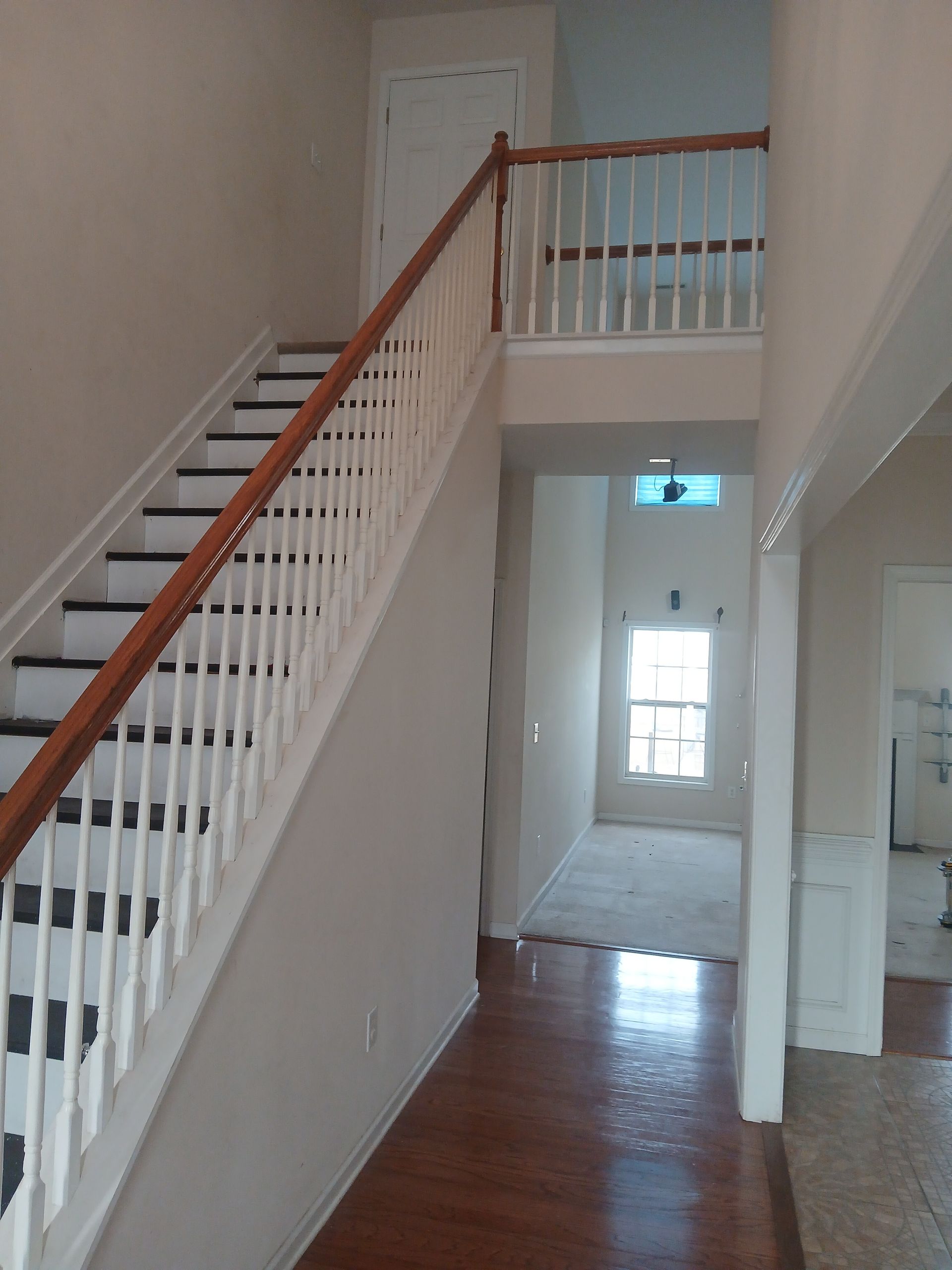
Older homes in Rutherfordton's established neighborhoods often include original wood trim, picture rail moldings, wide window casings, and plaster walls — all details that were standard in quality residential construction of the early and mid-twentieth century. These elements reward careful paint selection because the right color combination between walls and trim can make original millwork stand out beautifully. Choosing colors that work with rather than against these period features preserves the character that makes older homes distinctive.
Plaster walls, found in many homes built before the 1950s, have different properties than modern drywall and may require specific primers to ensure proper adhesion. Plaster is denser and harder than drywall, which means it holds paint exceptionally well once properly prepared, but any cracks or loose areas need to be addressed before painting begins. A painter experienced with older construction knows how to handle plaster surfaces without creating new problems.
For homeowners restoring or updating historic Rutherfordton properties, choosing historically appropriate color palettes can enhance the character of the home and complement its architectural period — and many paint manufacturers now offer historically-inspired collections that take the guesswork out of that selection process.
Making Your Interior Painting Investment Last
A well-executed interior paint job looks great from the first day and continues looking that way with minimal maintenance — the key is treating the painted surfaces correctly in the weeks and months after the work is done.
During the first month after painting, freshly painted walls should be handled gently. The paint is dry to the touch quickly, but it takes three to four weeks to reach full cure hardness. During that curing period, avoid scrubbing, pressing adhesive items directly to the wall, or placing furniture hard against painted surfaces. Once the paint is fully cured, it becomes much more durable and cleanable.
Touching up painted walls is easy when the original color and sheen are documented. A small container of leftover paint stored with the color name and formula allows small scuffs or marks to be addressed with a quick spot touch-up, keeping the room looking fresh without a full repaint. Most high-quality interior paints touch up well for several years after the original application.
A fresh interior gives your home a clean, welcoming feel that makes daily life more comfortable and helps maintain the property's value over time. Interior painting is one of the most impactful updates you can make, and pairing it with wall repairs and textures means every surface is ready before the first brushstroke goes on.
Request a conversation with The Handy Painter about your Rutherfordton interior project and get a clear picture of what the process involves from start to finish.