Walls That Look Finished and Feel Right
Professional drywall repair, installation, and wall textures throughout Mill Spring, North Carolina.
When you notice cracks spreading across your ceiling or holes left behind from old fixtures in your Mill Spring home, drywall repair brings those surfaces back to smooth and even condition. You might be finishing a basement, closing up a wall after plumbing work, or dealing with damage from a doorknob that went through the surface. The Handy Painter handles drywall installation and repair throughout Mill Spring, working with standard half-inch panels and matching the finish to what already exists in your rooms.
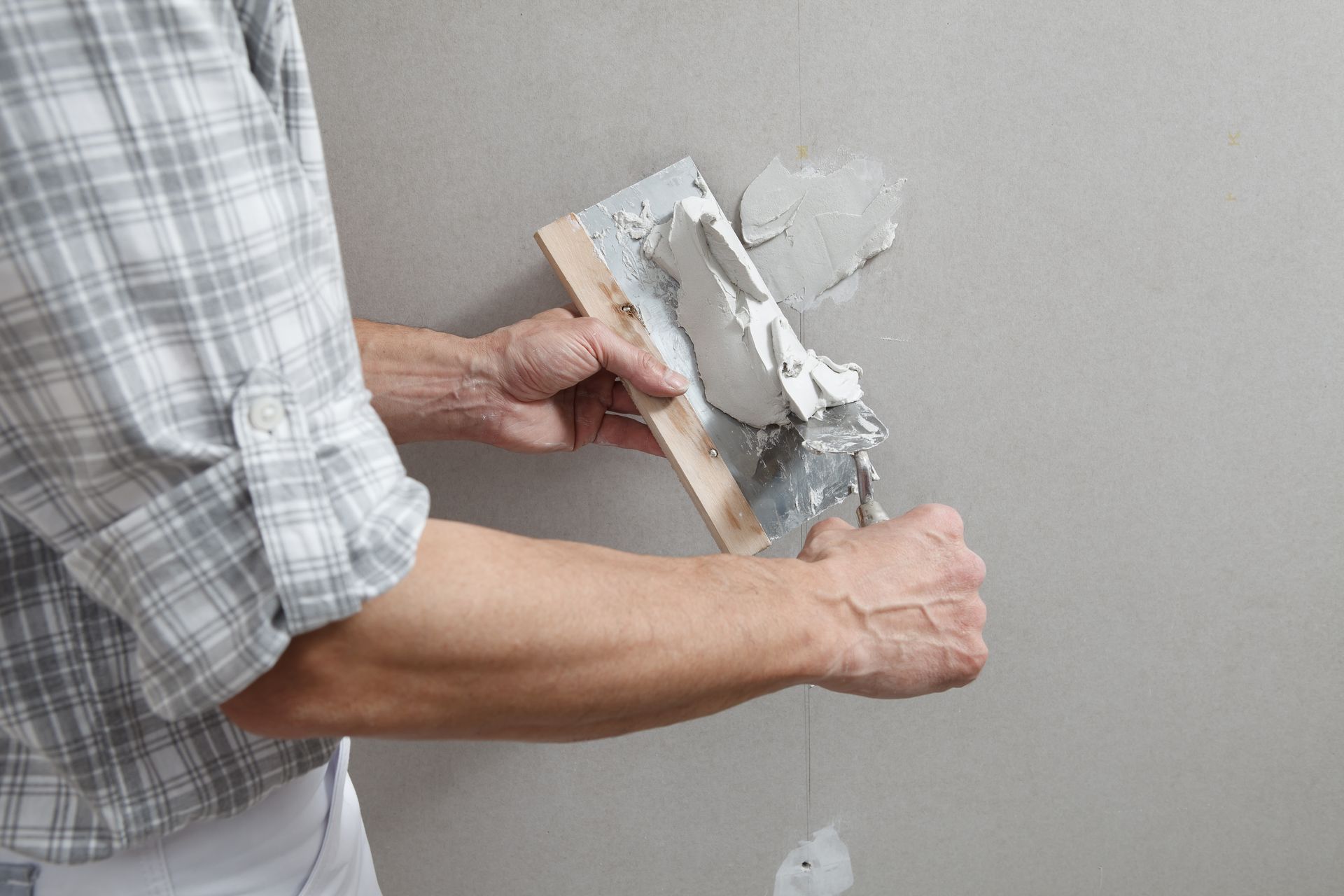
Drywall repair involves cutting out damaged sections, securing new material to the studs, taping and mudding the seams, then sanding everything down so the patch disappears into the surrounding wall. Installation means measuring and hanging full sheets, finishing joints with tape and compound, and preparing the surface for paint or texture. Wall textures include options like orange peel, knockdown, or skip trowel finishes that match older walls or add visual interest to new construction.
If your walls need patching or a room requires new drywall in Mill Spring, reach out to discuss what the work involves and schedule a walkthrough.
How the work gets done and what you see after
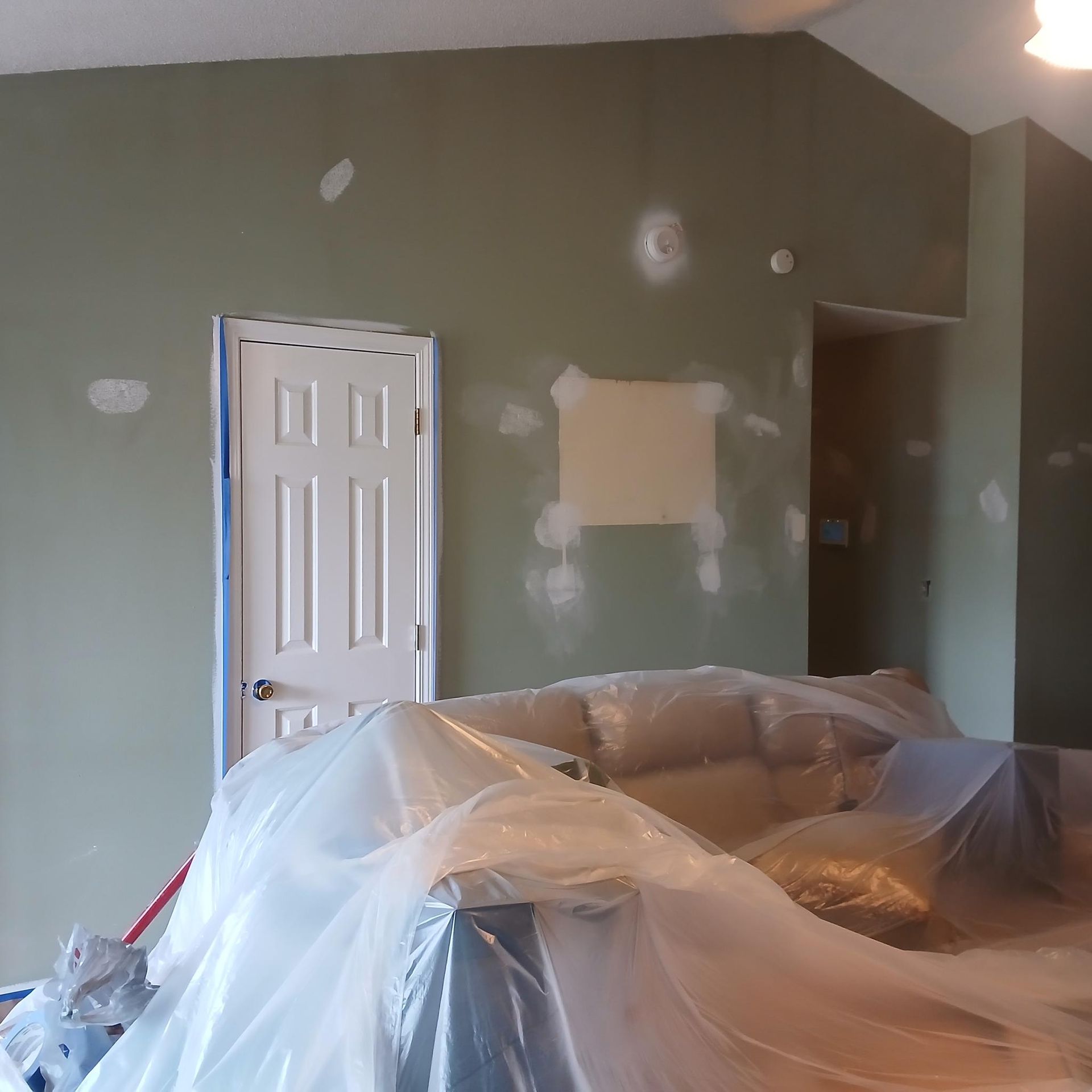
The Handy Painter begins by clearing the work area and assessing whether the repair requires a small patch or full panel replacement in your Mill Spring home. Small holes get filled with setting compound and sanded flush, while larger damage means cutting a clean square, installing backing, and screwing in a new piece of drywall. Seams get covered with paper tape and joint compound, then feathered out across several coats so transitions become invisible once dry.
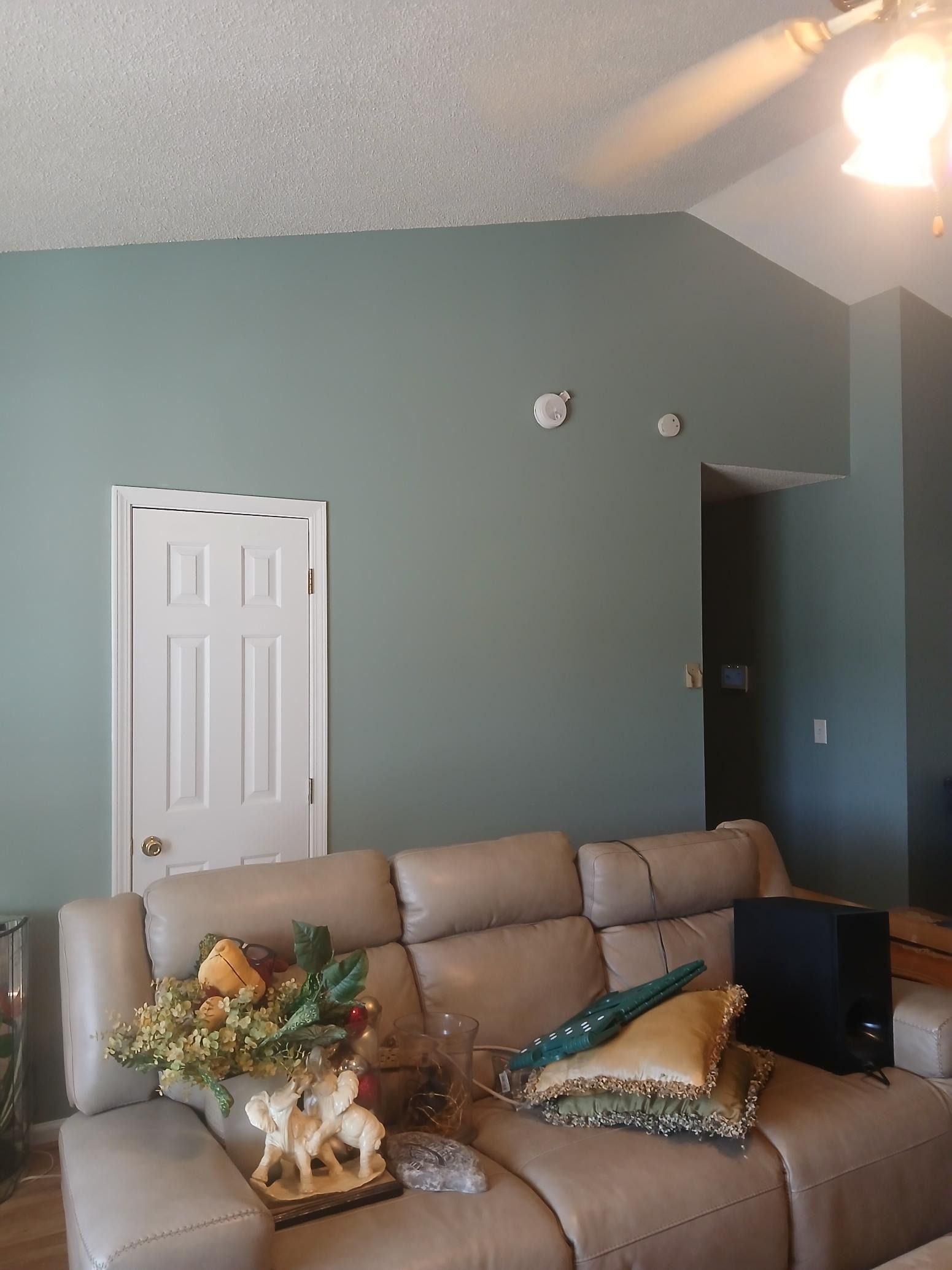
After the final coat dries and gets sanded smooth, you will see a wall surface that feels continuous under your hand with no ridges or dips marking where the repair was made. If texture is part of the job, it gets applied with a hopper gun or trowel to match the existing pattern, then left to dry before priming. The result is a wall that looks uniform and ready for paint, with no visible evidence of the damage that was there before.
Installation of new drywall follows the same taping and finishing steps but covers entire walls or ceilings, turning framed spaces into enclosed rooms. Texture application can take a full day to cure depending on humidity, and the surface needs priming before any color goes on. This service does not include framing, insulation, or electrical work, which should be completed before drywall goes up.
Questions that come up before the work starts
Homeowners in Mill Spring often ask about timing, texture matching, and what happens to furniture during drywall work, so here are answers to the most common concerns that come up during scheduling.
How long does a typical drywall repair take?
Small repairs under six inches usually finish in one visit, but larger patches or full panel replacements require multiple coats of joint compound with drying time between each, often stretching the work across two or three days. You can use the room between visits, but the patched area should not be bumped or touched until fully dry.
What does texture matching involve?
The Handy Painter examines your existing wall finish and replicates the pattern using the same application method, whether that means adjusting spray pressure for orange peel or using a knockdown knife at the right angle. Older textures sometimes require a test patch to get the depth and spacing correct before applying it to the repair.
When should drywall get replaced instead of patched?
You replace drywall when water has softened the gypsum core, when the paper facing is torn across a large area, or when the damage covers more than a third of the panel. Patching works for clean holes, shallow dents, and cracks that have not compromised the structural integrity of the sheet.
How much dust does sanding create?
Sanding joint compound produces fine dust that spreads quickly, so plastic sheeting goes over doorways and furniture gets moved or covered. A sanding sponge or pole sander with a vacuum attachment reduces airborne particles, but you should still expect some cleanup on floors and nearby surfaces after the work is done.
Why does joint compound need multiple coats?
Each coat of compound shrinks slightly as it dries, so a single heavy application would crack or sink below the wall surface. Thin coats applied in layers build up a smooth, level finish that blends into the existing drywall without visible edges or texture changes.
The Handy Painter brings the tools and materials needed for drywall repair and installation throughout Mill Spring, including joint compound, tape, sanding equipment, and texture applicators. Contact us to go over the condition of your walls and plan the work around your schedule.