Exterior Painting in Mill Spring, NC: What Local Homeowners Should Know Before Hiring
Exterior painting in Mill Spring carries timing and prep demands that don't apply in warmer, lower-elevation parts of North Carolina. Because the Polk County foothills sit higher than the Charlotte metro, cold snaps arrive earlier — sometimes by late October — which means the window for proper paint adhesion is shorter than many homeowners expect.
Is Fall a Good Time to Paint the Exterior of Your Home in Mill Spring?
Yes — September and October are the best months for exterior painting in the Mill Spring area, but waiting past mid-October raises real risk as overnight temperatures drop below the 50°F threshold paint needs to cure.
Paint needs consistent temperatures above 50°F to bond properly to the surface. Below that threshold, the film can't cure evenly, which leads to bubbling, peeling, and adhesion failures that show up within the first winter. The western NC foothills also carry high late-summer humidity that needs to taper before a brush touches the siding — painting over a damp surface traps moisture under the film.
If you're considering an exterior project this year, acting in early fall gives crews enough dry, mild days to complete preparation and apply coats before the cold sets in. Delaying into November often means postponing the entire project until spring, leaving weathered surfaces exposed for another season.
Understanding Wood Siding and Trim on Polk County Homes
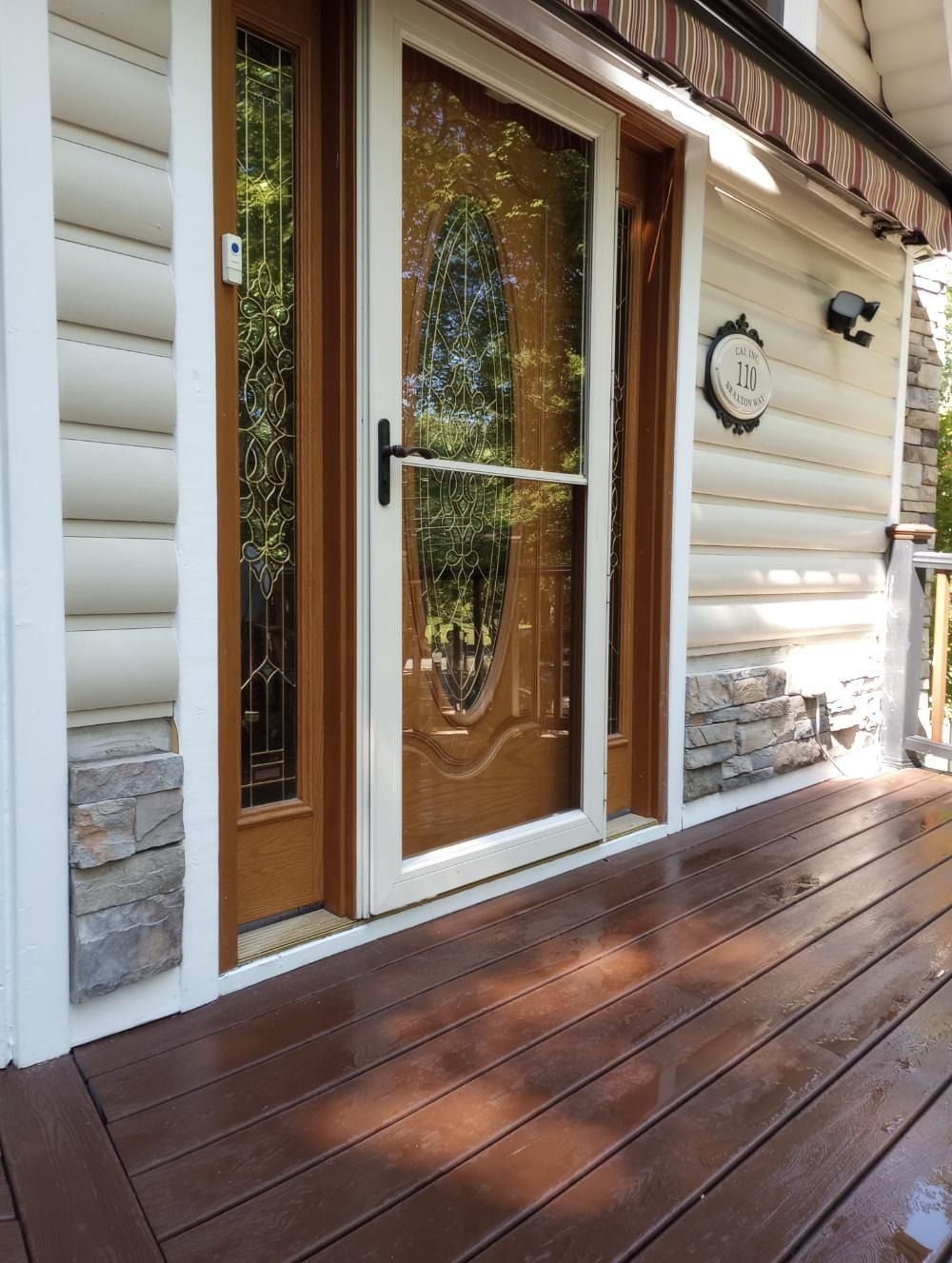
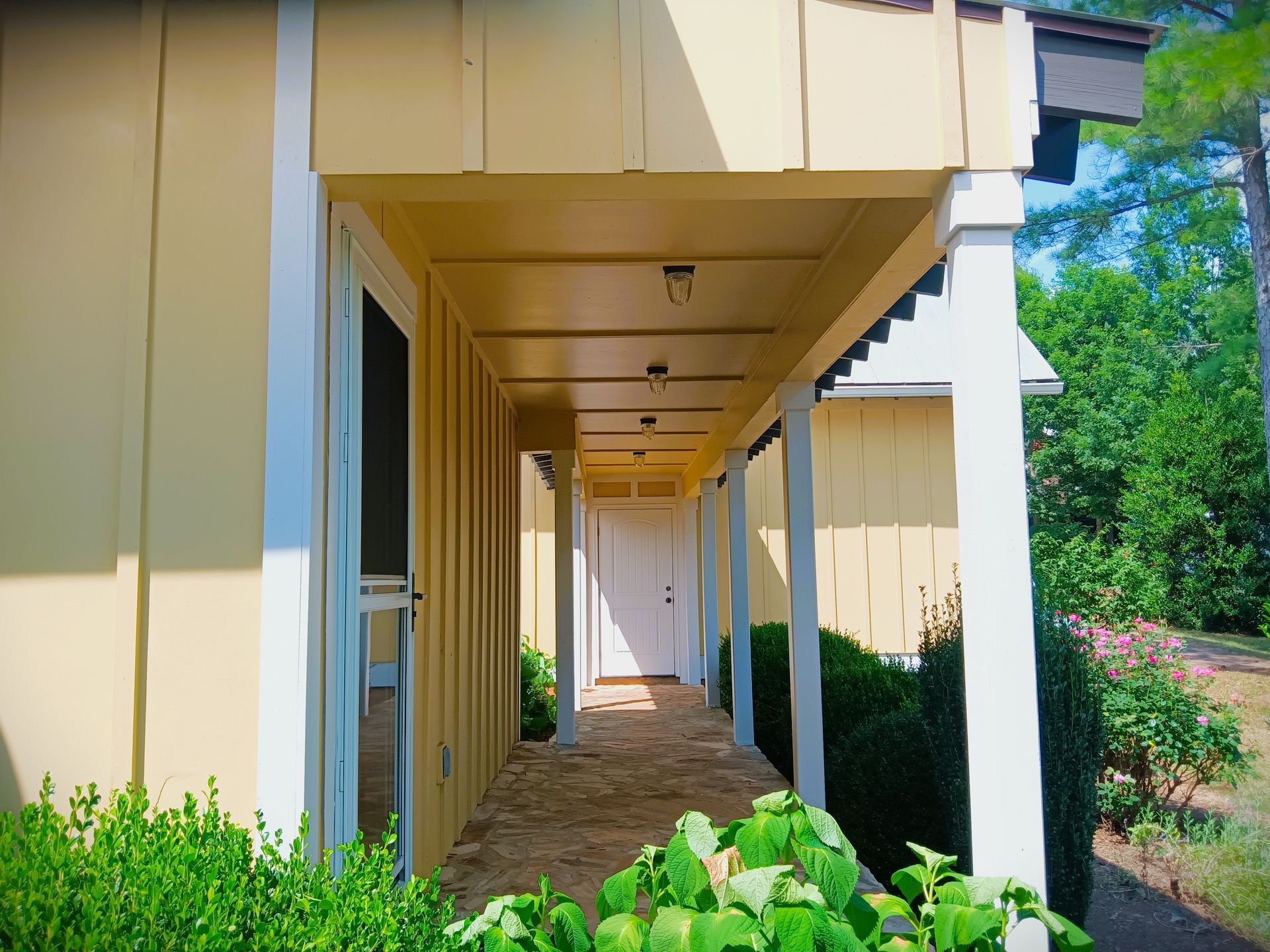
Many homes in Mill Spring and the surrounding Polk County area feature wood siding, wood trim, and older construction — all of which demand more thorough preparation than vinyl or fiber cement before painting begins.
Wood absorbs and releases moisture with the seasons, which causes it to expand and contract. Over time, this movement opens gaps at trim joints, raises the grain on flat surfaces, and creates edges where old paint lifts first. Trim pieces around windows and doors are the most common early failure point because those joints see the most weather exposure.
Before painting, any soft or rotted wood needs to be identified and addressed. Paint applied over compromised wood won't stop the deterioration — it only hides it temporarily. A thorough inspection during prep reveals these spots so they can be repaired before the first coat goes on.
Getting the Surface Ready Before the First Coat
Proper surface preparation is the single biggest factor in how long an exterior paint job lasts — and it involves several steps that should be itemized, not bundled vaguely into a quote.
The process typically starts with pressure washing to remove mildew, dirt, and chalking from old paint. Once the surface is clean and dry, a full inspection identifies cracks, holes, and damaged siding boards that need attention. For homes with wood siding or areas that have seen water intrusion, surface prep and patching before painting may include filling gaps, replacing damaged sections, and feathering repaired areas smooth so they don't show through the finish coat.
Priming follows repair work — bare wood, patched spots, and stain-prone surfaces all need a dedicated primer coat before finish paint goes on. Caulking around windows, trim joints, and any wall penetrations seals out moisture and gives the finished edge a clean line. Skipping or rushing any of these steps shortens the life of the paint job regardless of the product used.
Does Polk County's Climate Affect What a Proper Quote Should Include?
Yes — a quote for exterior painting in this region should account for local weather variables, not just list a price per square foot. What the quote specifies tells you a lot about whether the contractor understands the scope of the work.
A well-structured estimate covers the exact surfaces being painted (siding, trim, soffits, fascia, doors, shutters), lists prep work as a separate line item, specifies the number of finish coats, and names the paint product and sheen. It should also describe how weather delays are handled and whether the contractor offers a callback policy if issues appear in the first season.
Two finish coats over properly primed surfaces is the standard for exterior work. On aged or heavily weathered exteriors — common in older Mill Spring homes — a single-coat bid is a warning sign that prep and priming may be getting skipped. That savings upfront usually costs more in peeling and repainting within a few years.
For homeowners who want more detail on evaluating contractors before committing, choosing a local painter in Mill Spring covers the vetting criteria worth knowing.
Why Local Experience in the Foothills Climate Matters
A contractor who regularly works in Polk County understands how regional humidity, temperature swings, and older wood substrates behave — and adjusts timing and product choices accordingly.
Painters unfamiliar with the western NC foothills may apply paint outside safe humidity or temperature windows, not recognizing that the area's climate behaves differently than lower-elevation markets. Local experience also means familiarity with the home styles and siding types common to Mill Spring, so the prep approach matches what's actually on the house rather than a generic checklist.
That regional knowledge directly affects the durability of the finished work — paint applied in the right conditions, over properly prepared surfaces, on substrates the painter understands, lasts measurably longer than work done on an unfamiliar job site.
Acting during the September–October window gives your home the best conditions for a paint job that holds through the coming seasons and protects the wood beneath it.
Schedule your project before the fall window closes and get a detailed estimate that covers every surface and prep step. Explore exterior painting services in Mill Spring with The Handy Painter to get started.