Getting Your Home's Exterior Painted Right in Marion, NC
Exterior painting in Marion, NC shields your home from the region's shifting mountain weather while giving your property a fresh, attractive look that lasts for years.
What Does an Exterior Painting Job Actually Include?
Exterior painting is more than rolling color onto a wall — it covers preparation, priming, application, and cleanup, and each step matters to the final result.
Before any paint goes on, a good painter will clean the surface to remove dirt, mildew, and loose paint. Skipping this step is one of the most common reasons paint fails early. Power washing and light sanding create a clean base so the new coating can bond properly.
After cleaning comes priming any bare wood or repaired spots. Primer seals the surface and helps the topcoat go on evenly. On older homes, this step also keeps tannins or stains from bleeding through the new paint. Once the primer is dry, the main coats go on — usually two for full coverage and long-lasting color.
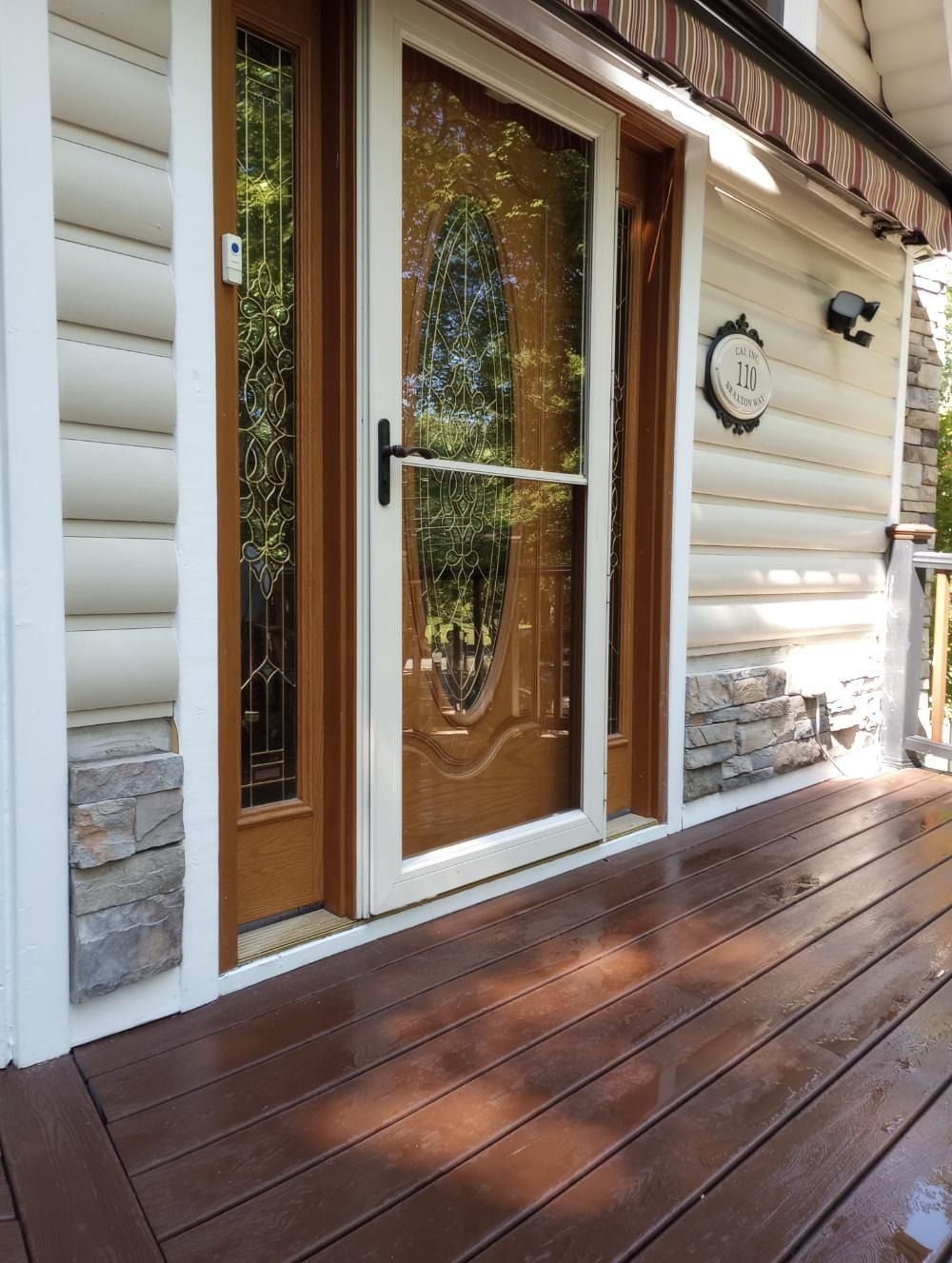
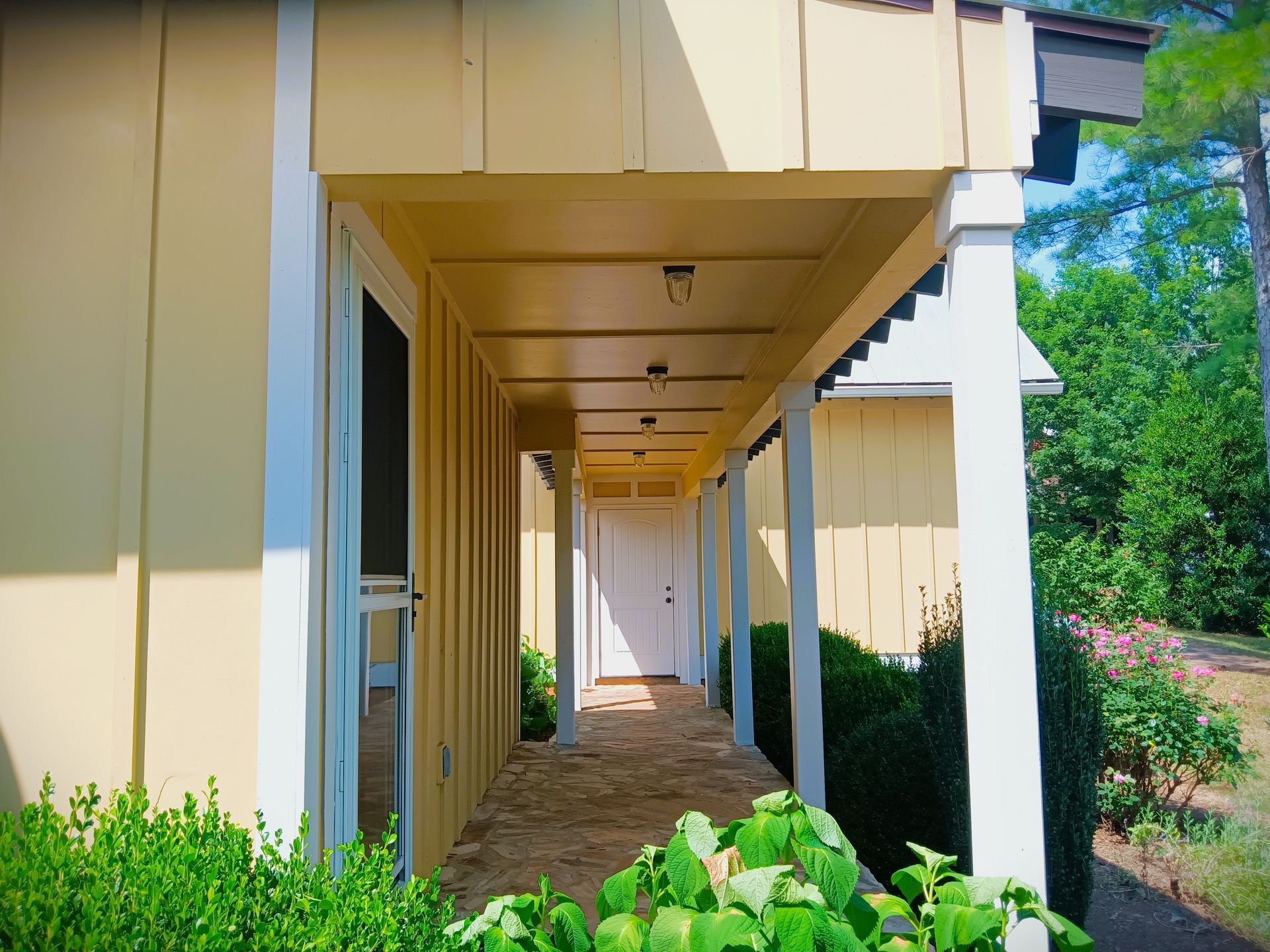
Trim, shutters, doors, and soffits are painted separately from the main siding. These areas often need extra attention because they take more wear from sun, rain, and contact. A finished exterior job should look clean at every edge and corner, not just on the flat surfaces.
Does Weather in Marion Affect How Long Exterior Paint Lasts?
Yes — Marion's mountain climate creates unique conditions that can shorten paint life if the wrong products or timing are used.
Marion sits at around 1,400 feet in the Blue Ridge foothills, where temperatures swing more dramatically than in lower-elevation towns. Those temperature swings cause paint films to expand and contract repeatedly over the seasons. If the paint is not flexible enough for that movement, cracking and peeling can start within a year or two of application.
Humidity is another factor. Western North Carolina's moist summers mean moisture can work its way into wood if the surface is not properly sealed. Paints formulated for high-humidity climates and applied during dry conditions will hold up far better. Scheduling a paint job during a stretch of low-humidity weather — typically late spring or early fall — gives the best results in this area.
Choosing the right sheen also matters for Marion homes. Semi-gloss and satin finishes are easier to clean and resist moisture better than flat paints, making them popular for trim and high-exposure walls in this climate.
You can learn more about the products and process used on exterior home painting projects to understand what goes into a durable finish.
Signs Your Home's Exterior Paint Needs Attention Soon
Catching paint problems early saves you money — small issues fixed promptly cost far less than dealing with wood rot or full-surface failures later.
Peeling or bubbling paint usually means moisture has gotten beneath the surface. You might notice it first on south- or west-facing walls that take the most sun. Chalking — a powdery residue that comes off when you rub the wall — means the paint has broken down and is no longer protecting the surface underneath.
Fading color is normal over time, but uneven fading or visible bare patches are a sign the coating has worn through. Caulk failures around windows and trim joints are also an early warning sign; gaps in caulk let water in behind the siding and can cause damage that goes well beyond the paint.
Wood that feels soft or spongy when you press it, or trim boards that show dark streaks, may indicate moisture damage that needs repair before a new coat goes on. Addressing those issues first is the right order of operations.
How Marion's Older Home Stock Shapes Exterior Painting Projects
Many homes in Marion and the surrounding McDowell County area were built in the mid-twentieth century, and their construction details affect how an exterior painting project is planned.
Older wood-sided homes are common in Marion's established neighborhoods. Wood siding is beautiful but requires more preparation than newer fiber cement or vinyl surfaces — more sanding, more careful caulking, and close attention to any areas where the wood has started to weather. A painter familiar with older construction understands where to look for trouble spots before they become problems.
Some Marion homes were painted with oil-based paints decades ago. Painting latex over old oil paint without proper prep can cause adhesion issues. A simple adhesion test — pressing tape on the surface and pulling it off — can help identify whether the old coating needs to be sanded or primed before a new coat is applied.
Working with a painter who has experience on older residential properties makes a difference when the surface conditions are more complex than a newer build.
Keeping Your Exterior Looking Its Best After the Job Is Done
A fresh exterior paint job is a real investment, and a few simple habits will help it look great for as long as possible.
Rinse the siding once or twice a year with a garden hose to remove pollen, dust, and mildew before they build up. Keep shrubs and tree branches trimmed back so they are not rubbing against the walls or trapping moisture against the surface. Check the caulk around windows, doors, and trim joints each spring and touch up any spots that have cracked or pulled away.
If you notice any chipping or wear on high-traffic areas like door surrounds, a small touch-up before the damaged spot grows can extend the overall life of the paint job significantly. Most quality exterior paints allow for easy spot repairs if the original color is documented.
Exterior paint does more than improve appearance — it acts as your home's first line of defense against the elements. Choosing quality materials and skilled application means that defense holds up through seasons of mountain weather. Interior painting services are also available when you are ready to refresh the inside of your home as well.
Schedule a conversation with The Handy Painter today to talk through what your Marion home needs for a lasting exterior finish.