Drywall Repair Fixes Common Wall Damage in Columbus, NC Homes
Drywall repair in Columbus, NC addresses holes, cracks, water damage, and texture mismatches by filling damaged areas, smoothing surfaces, and restoring original finishes professionally.
What causes drywall damage in residential properties?
Door handles, moving furniture, hanging items, settling foundations, and moisture exposure create most common drywall damage requiring repair.
Daily living creates wear on wall surfaces. Doorknobs impact walls when doors swing open too forcefully. Moving furniture scratches or dents surfaces during rearrangement. Removing old picture hooks or shelving leaves holes behind. These mechanical damages accumulate over years of occupancy.
Structural movement also affects drywall integrity. Homes settle naturally as foundations adjust to soil conditions. This settling causes stress cracks, particularly above doorways and windows. Temperature and humidity changes make materials expand and contract, creating gaps between drywall panels. Professional drywall repair services in Columbus identify whether damage stems from surface issues or underlying structural concerns requiring additional attention.
Can you repair drywall yourself or hire professionals?
Small nail holes accept DIY patching, while larger damage, texture matching, and extensive repairs benefit from professional expertise and tools.
Simple repairs involve filling tiny holes with spackling compound and touching up paint. Hardware stores sell patch kits for small holes that use adhesive mesh or metal backing. These work well when texture matching isn't critical and damage covers less than a few inches.
Professional repair becomes necessary for larger problems. Holes bigger than your fist need proper backing installation and multiple compound layers. Matching existing wall textures requires specialized tools and experience. Water damage may hide mold growth that demands proper remediation before patching. Professionals also ensure repairs blend seamlessly with surrounding areas through proper feathering techniques and texture replication.
How do repair techniques differ by damage size?
Tiny holes need simple filling, medium damage requires backing patches, and large holes demand cutting out sections and installing new drywall pieces.
Nail pops and small dings accept quick fixes with spackling compound applied in thin layers. Sanding smooth and painting matches the repair to surrounding walls. Cracks wider than hairlines need joint tape embedded in compound to prevent reopening.
Holes between two and six inches across use repair patches that bridge the opening. These patches include backing material that adheres to the wall's backside, providing support for compound layers. Multiple coats with proper drying time between applications build up to wall level. Larger damage beyond six inches requires cutting square sections around the damaged area, attaching backing boards between studs, screwing in new drywall pieces, taping seams, applying multiple compound coats, and matching texture before painting.
Does wall texture affect repair complexity?
Yes, smooth walls accept easier blending than textured surfaces like knockdown, orange peel, or popcorn finishes requiring specialized application techniques.
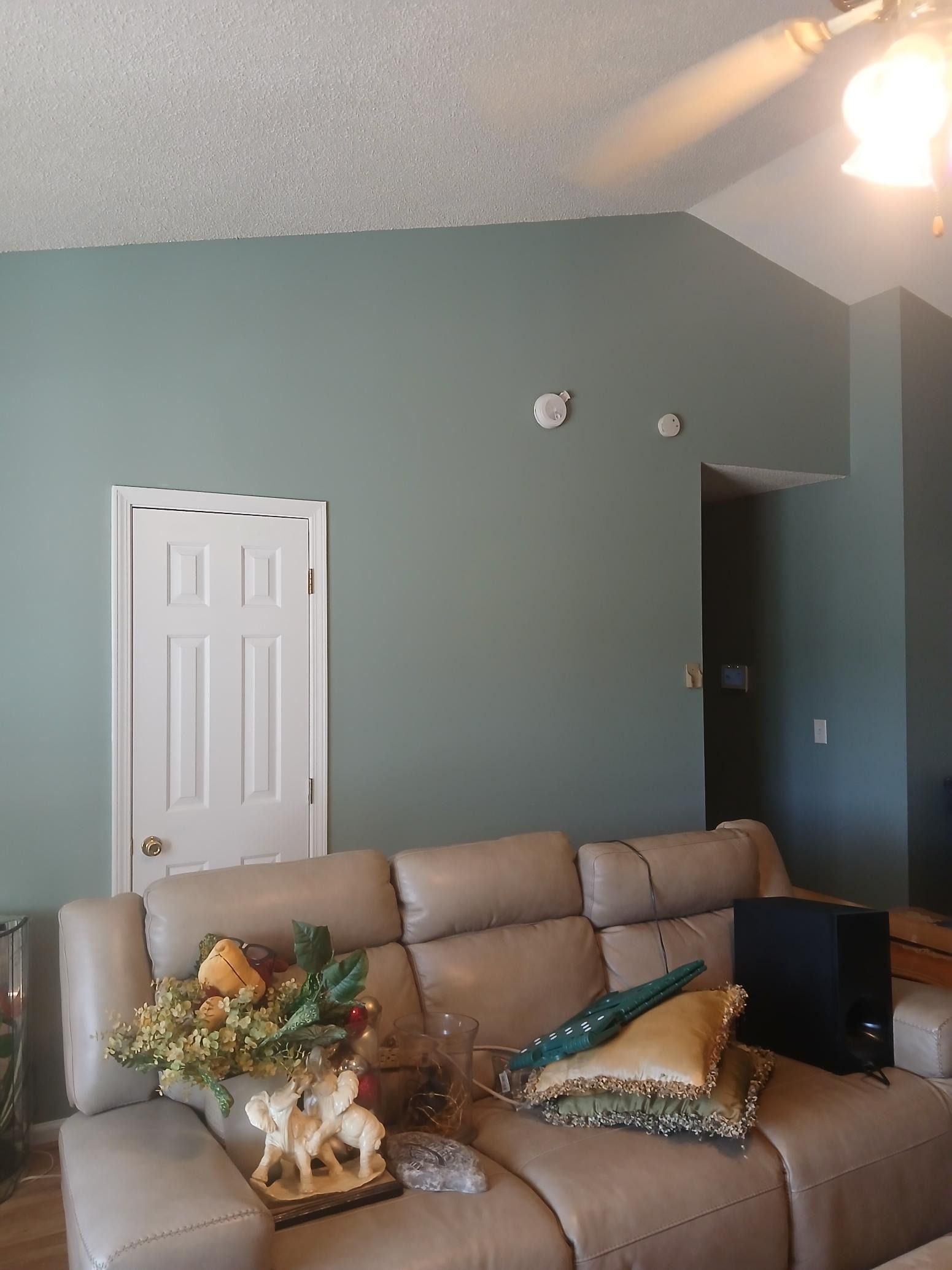
Smooth wall repairs simply need proper feathering where compound edges meet existing drywall. Sanding creates imperceptible transitions. Painting completed repairs completes the process. These repairs suit modern homes with flat wall finishes.
Textured walls present greater challenges because new compound must match existing patterns. Knockdown texture requires applying thick compound, letting it partially dry, then lightly flattening high spots. Orange peel needs specific spray equipment to replicate the dimpled appearance. Popcorn ceilings involve matching the spattered texture pattern. Professional repair technicians possess the tools and experience to recreate these finishes so repairs become invisible after completion.
How does Columbus housing stock influence drywall repair needs?
Older homes often feature plaster walls requiring different techniques, while newer construction uses standard drywall with varied texture applications throughout the area.
Polk County includes homes built across many decades. Properties from earlier eras may have lath and plaster construction instead of modern drywall. These walls need specialized repair approaches that account for harder, more brittle plaster materials. Contractors experienced in historic renovation understand how to patch plaster without creating further cracking.
Newer residential development around Columbus uses contemporary drywall installation. These homes typically feature knockdown or orange peel textures popular in recent decades. Builders vary texture styles between developments, so matching existing finishes requires attention to specific patterns. Climate conditions in western North Carolina also influence repair needs. Humidity fluctuations between seasons can cause joint compound to crack if not properly applied and allowed sufficient curing time before painting.
Quality drywall repair restores your Columbus home's walls to smooth, undamaged condition while matching surrounding finishes perfectly. Connect with experienced repair specialists by calling 862-293-0413 to discuss wall damage assessment, repair approaches, and scheduling that fits your home improvement timeline and budget considerations.